
SUCCESS happens when TEAMWORK happens.
It is not common for teams to come together and immediately perform at their peak productivity. These synergies take time. Most teams go through various recognizable stages, transforming from strangers into a cohesive group with a common goal.
Stage 1: Forming
Excitement, anxiety, positivity, and negativity are some basic emotions felt by team members during the forming stage. This is the stage of teamwork where members are getting to know their team and responsibilities.
Talent wins games, but teamwork and intelligence win championships. —Michael Jordan

Considered one of the greatest basketball players of all time, Michael Jorden emphasizes that individual talent can only go so far without the help of others. No matter how skilled one person may be, there is always something to be gained from collaboration, whether it be knowledge, experience, or ability.
Find a group of people who challenge and inspire you, spend a lot of time with them, and it will change your life. – Amy Poehler
Life isn’t just about the things you do, but it’s about who you do them with. The people you surround yourself with will either encourage you or hold you back, so make sure you find a group of people you are proud to be associated with. This goes for any type of team, whether it’s your group of colleagues at work, or your metaphorical “team” of people around you everyday in life.
Stage 2: Storming
This stage happens when team members start to feel frustrated over different working styles. Often known as the make-it or break-it stage, it is important for the team to understand the differences through the support of established processes.
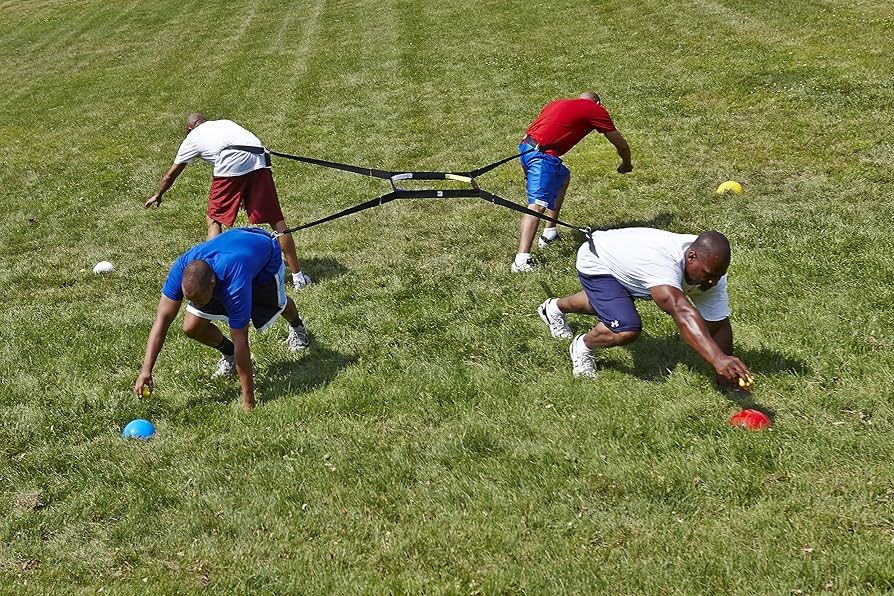

The importance of hearing every single voice cannot be stressed enough. Each member must recognize
- his own role
- the roles of others
- understand the importance of each role
- understand how they come together in harmony.
This stage is important for teams to start performing. It is important that every team members feels valued. Some members are bound to have more responsibilities that seem more important, and this could create conflict among team members.
Leading doesn’tmake you more important , following doent make you less valuable . Every member in their proper place is important.
He who cannot be a good follower cannot be a good leader. – Aristotle
This is a crucial lesson to learn in the norming stage of teamwork. The best teammates realize there will be times to lead and times to follow. Think about it — there can only be so many leaders at one time when you’re working in a group. Recognize the strengths of everyone on your team and let them lead the way when those strengths are needed. Everyone will be better for it.
Great teams do not hold back with one another. They are unafraid to air their dirty laundry. They admit their mistakes, their weaknesses and their concerns . — Patrick Lencioni
As mentioned earlier , silence is deadly. Storming is a good way for teams to promote transparency. This transparency can build a supportive environment where members are not afraid to share their discomfort.
What is important here is how differences of opinion are handled , respect is key.
Walk with love , heart of love . Our motto speaks to the attitude we strive to live by .
No matter how brilliant your mind or strategy, if you’re playing a solo game, you’ll always lose out to a team. — Reid Hoffman
Co-founder of LinkedIn, Reid Hoffman gives really important advice about how to succeed and out-match competitors. The trick? Recognizing that a cohesive team will always bring more to the table than any individual. Sometimes you have to push aside your own ideas and ambitions, knowing that the work of your team as a whole will ultimately lead to greater success than any work you could have done alone.
Keep your eyes on the finish line and not on the turmoil around you. – Rihanna
In teamwork, sometimes, there will be chaos. According to billionaire, singer, and entrepreneur Rihanna, the key is to keep the focus on the big picture.
Stage 3: Norming
Team members start to resolve their differences and begin working well together. However, team members may find themselves going through the process of norming and storming all the time. Remember the importance of working together .

Coming together is a beginning. Keeping together is progress. Working together is success.— Henry Ford
As stated earlier, it is easy to form teams. The challenge comes in keeping them working together towards success. It takes time to build high performing teams.
Cooperation is the thorough conviction that nobody can get there unless everybody gets there. — Virginia Burden
Every function and task is important, no matter how seemingly insignificant. A little motivational push can be very valuable to the team’s overall success.
If you want to lift yourself up, lift up someone else. – Booker T. Washington
To achieve success, it is no longer “I” but “we.” It sounds corny, but it is true. We must be able to see beyond self, in order to reach greater heights. We’re better together.
Individual commitment to a group effort: That is what makes a team work, a company work, a society work, a civilization work. — Vince Lombardi
And in order to lift someone else, team members must provide their best efforts and commitment to the entire group.
The way a team plays as a whole determines its success. You may have the greatest bunch of individual stars in the world, but if they don’t play together, the club won’t be worth a dime. – Babe Ruth
George Herman “Babe” Ruth Jr., one of America’s biggest baseball icons, expressed the importance of a team always working together. Learning to collaborate with others to achieve bigger goals is fundamental to everyone’s success. Don’t let things like pride get in the way of collaboration. Remember that when the team wins, everyone wins.
Stage 4: Performing
At this stage, team members start to work together and perform towards a common goal. It is always useful to encourage the team to maintain this momentum.
You need to be aware of what others are doing, applaud their efforts, acknowledge their successes and encourage them in their pursuits. When we all help one another, everybody wins. — Jim Stovall
When transparency is achieved, team members can offer encouragement and acknowledgement to other team members. A business culture built on transparency will create a high performing team. Think about a time when group members come together and help one another – it always results in a good feeling.
Success is best when it’s shared. — Howard Schultz
If anyone knows a thing or two about successful teams, it’s Starbucks CEO Howard Schultz. But Schultz says the best type of success is when you can experience it with others as well.
It is amazing how much people can get done if they do not worry about who gets the credit. — Sandra Swine
With high performing teams, it’s not all about business. It’s about the greater picture of the company and the team. When members come together and form a strong bond, individual recognition is not as important.
The nicest thing about teamwork is that you always have others on your side. — Margaret Carty
When a team truly works together, everyone is on the same side. No matter if you share successes or failures, everyone will go through the same experience together. You’ll never have to go it alone.
“If you want to go fast, go alone. If you want to go far, go together.” – African Proverb
The bigger the world gets, the more we see the benefit of our combined efforts. When we are able to integrate our ideas with those around us, we have a stronger effort into achieving great things. This kind of approach allows us to reach heights beyond where we stand on our own.
Stage 5: Adjourning
All good things must come to an end eventually. No matter end result let us aim to go the complete journey together . Let us at the end of the season to be able to say we all did our part .
Our destiny is not written for us, it’s written by us. — Barack Obama
HEART OF LOVE .
WALK WITH LOVE.
EARTHLOVE .
 EARTHLOVE SPORTS CLUB